
Binoculars
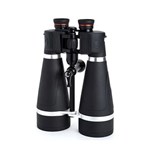
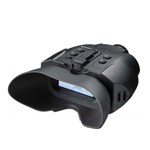
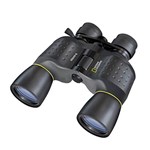
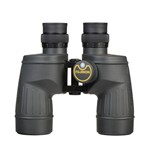
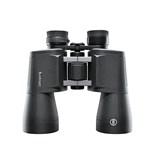
Choosing a pair of binoculars can be difficult. In addition to the variety of types, each with a different optical range, then there are also the price tags! But what do those numbers mean? What makes one pair so much more expensive than another? And, what is the best choice for me?
It is important to consider several factors when choosing your binoculars, such as the purpose, your budget, and how close you want your image to appear. Below, you can check out the basics of binoculars and see our deals and offers. But, for a deep dive into binoculars, check out our binoculars buying guide.
Need more help? Check out our in-depth guide to the best binoculars to buy right now! »
Browse Binoculars by Size
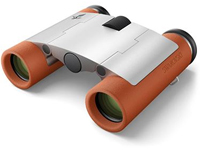
When buying a pair of binoculars you will soon notice that each pair has a set of two numbers following their name, such as “7x50” or “8x32”. The first figure is the magnification, which indicates the number of times larger an object will appear when viewed. The second figure indicates the size of the object lens in mm; the larger it is, the brighter the images will seem. View our Binoculars Buying Guide for more information »
Binoculars
Binoculars! There are a million and one types, all with their own purposes, benefits and intended users. But something they all have in common is the basic premise - whether they have a roof prism or a Porro prism - binoculars feature a combination of glass elements that enlarge a scene, to provide a magnified image. Now we know this, we begin the process of narrowing down the choices.
We need to consider a range of questions, all of which will help you understand what pair of binoculars are best for you. There are things to consider such as the binocular magnification and objective lens diameter, field of view, eye relief, the binocular design and the quality of its optics. In addition, some binoculars are weather-proof, and fog-proof and can have a grippy rubberised body that makes them easy to handle.
Here at Wex, we have it all. We have the choice and the expertise to help you make that all-important choice. But first up, you need to decide what your budget is, consider what you want to look at and think about how close you want to see your subject. Once you know this, you can wander over to our binoculars buying guide that explains all the ins and outs.
Binocular Brands
Nikon offers a wide range of binoculars in all different sizes and uses to suit any level of user. They have developed advanced optical elements, lens coatings and operational features such as waterproofing and rubber shock proofing that are designed to ensure a clean, clear image. Whether you’re birdwatching, spectating sports, stargazing or hiking, Nikon has a pair of binos to suit you.

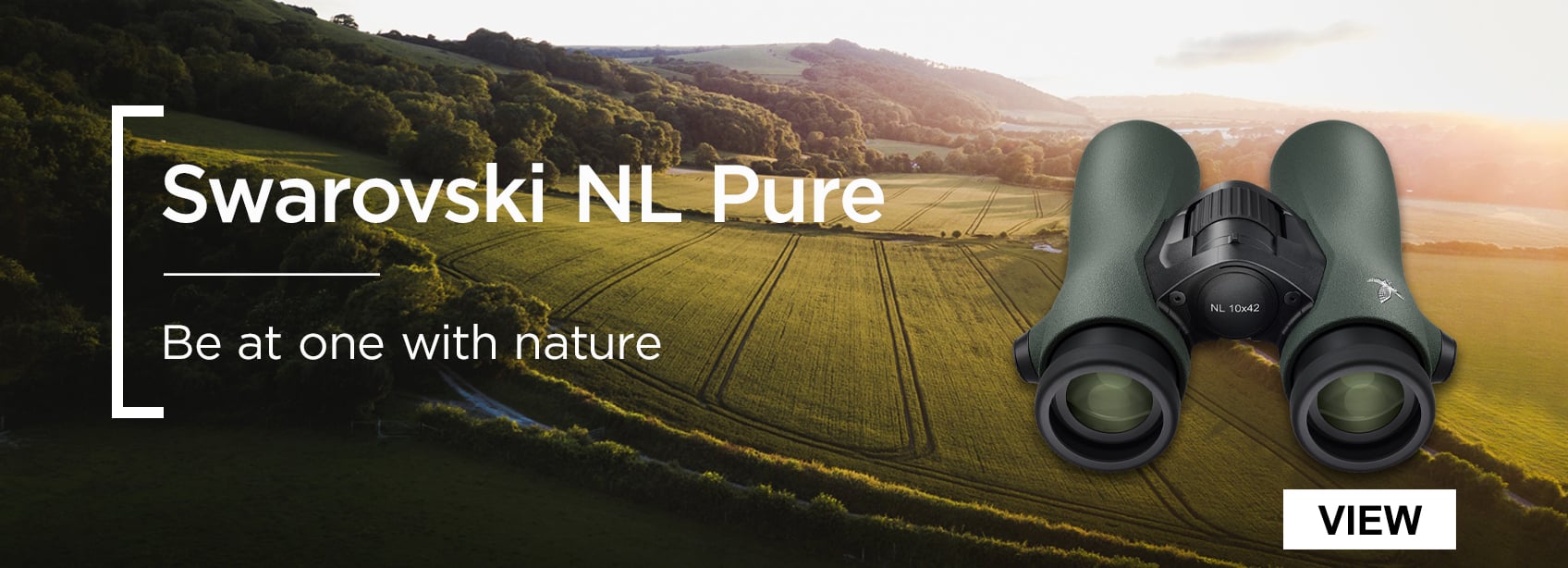
Swarovski optics are regarded to be some of the most accurate and optical pure available on the market. The mastery of Swarovski’s binocular construction and performance is what takes them from a simple purchase to an investment. Swarovski produces a range of optics that offer exceptional image quality, ergonomic design and complete professionalism.

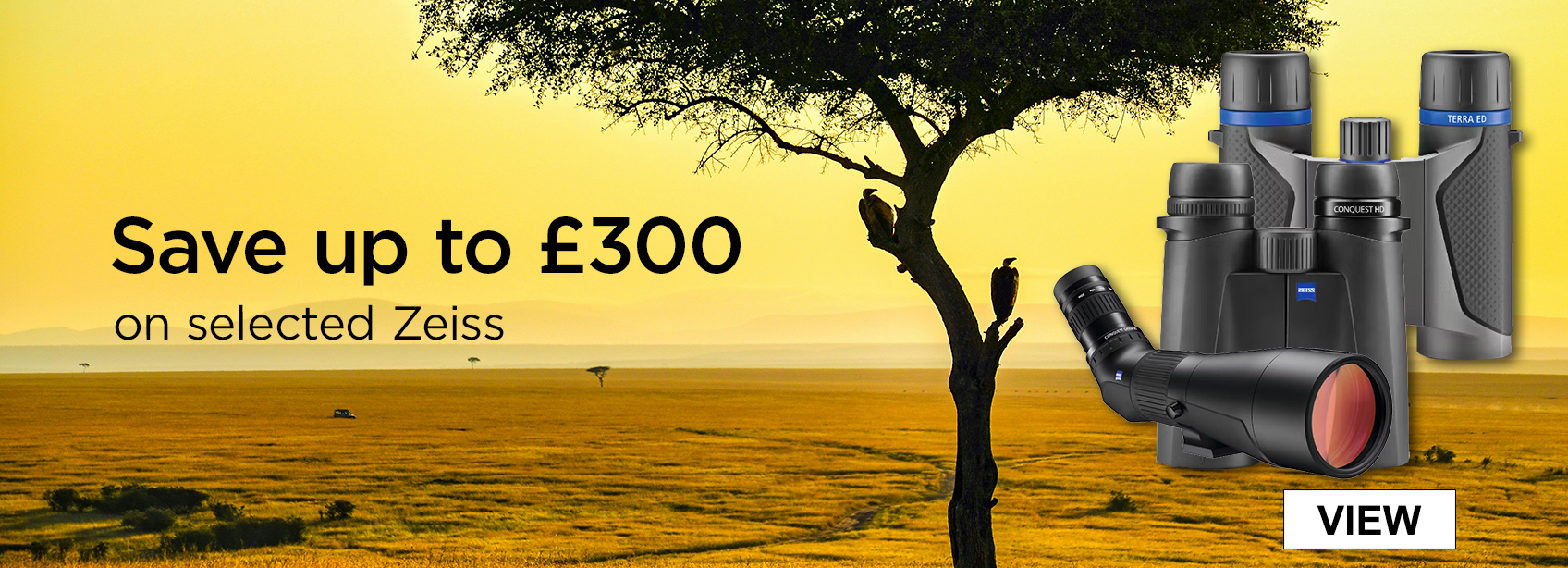
Zeiss specialises in producing compact, travel-friendly binoculars as an alternative to heavy, cumbersome optics. Zeiss has perfected the skill of reducing weight and size while maintaining accurate and high-quality imaging. These binoculars are designed to be easily taken with you on your adventures, packing easily into your bag without taking up too much space or adding a heavyweight.
Leica is well known within the industry and represents a pilar of optical history. Leica’s binoculars exhibit some of the highest quality materials and craftsmanship, resulting in exceptional image quality and performance. With a range of binoculars designed for casual sightseeing through to industry-leading models, Leica caters to all levels and types of users.

Hawke is a brand, well-known to the high-end optics community for designing and producing binoculars suitable to all levels of user. Hawke binos are characterised by their lightweight and durable build that encases expertly crafted and arranged optical elements. In addition, Hawke binoculars - by design - are both water/fog-proof meaning they can be taken out with you in all weather conditions. Hawke also offers a lifetime warranty on all their products!
Opticron are a UK based family run company who have built a reputation for supplying high-quality, affordable binoculars to enthusiast and hobbyists. Their binoculars are designed to make this level of quality accessible to all and have the goal to provide smaller, brighter and lighter options for a variety of viewing applications.
Browse Binoculars by Feature
Need more help? Check out our in-depth guide to the best binoculars to buy right now! »

Frequently Asked Questions
- How far can I see with binoculars?
-
This is a question with many answers - there are many different types of binoculars, each with different focal lengths that allow you to view varying distances. In brief, the numbers on a pair of binoculars refer to the magnification and size. Generally, the greater the first number, the larger the magnification (with the caveat that the field of view will be smaller). But, it isn’t all that simple - there are other factors to consider. Have a look at our buying guide for some detailed insight into what’s best for you.
- What are the best bird-watching binoculars?
-
This depends on whether you’re someone on the move or someone who will be held up in a hide. The former requires a more compact and lightweight setup with a wide viewing angle so that you can easily follow your subject as it flies. The latter allows for a larger pair of binoculars, often with higher magnification and that may require a tripod or other accessories.
- What is the difference between Roof Prisms and Porro Prisms?
-
The difference between these is how they reproduce an image when you look through your binoculars. Porro prisms are the older way of building binos - they have a wide barrel that isn’t aligned with the eyepieces. Roof prisms are a more modern design where the eyepieces and lenses are aligned. However, these designs are not indicative of optical quality - but binoculars with roof prisms often are more compact and lighter.
- Can I wear my glasses and still use binoculars?
-
Most definitely yes. But, there are a few things to consider. Do the binoculars have sufficient eye relief? Your choice of binos depends on why you wear glasses in the first place - are you near or farsighted? We cover these and more considerations in our buying guide.

View Our Awards »
Wex Photo Video is a Good Service Award Gold Winner
Amateur Photographer Good Service Awards
February 2023
Voted by customers & readers of Amateur Photographer magazine.
Wex Photo Video is a Good Service Award Gold Winner
Amateur Photographer Good Service Awards
February 2022
Voted by customers & readers of Amateur Photographer magazine.
Wex Photo Video is a Good Service Award Gold Winner
Amateur Photographer Good Service Awards
February 2021
Voted by customers & readers of Amateur Photographer magazine.
Wex Photo Video is Retailer of the Year
Gear of the Year Awards
February 2020
Voted by customers & readers of Digital Photo / Practical Photography magazines.